.png)
The return of the
collected interior.
Why the most compelling rooms no longer feel perfectly resolved — and why the long-lived interior has begun to look, again, like something assembled rather than installed.
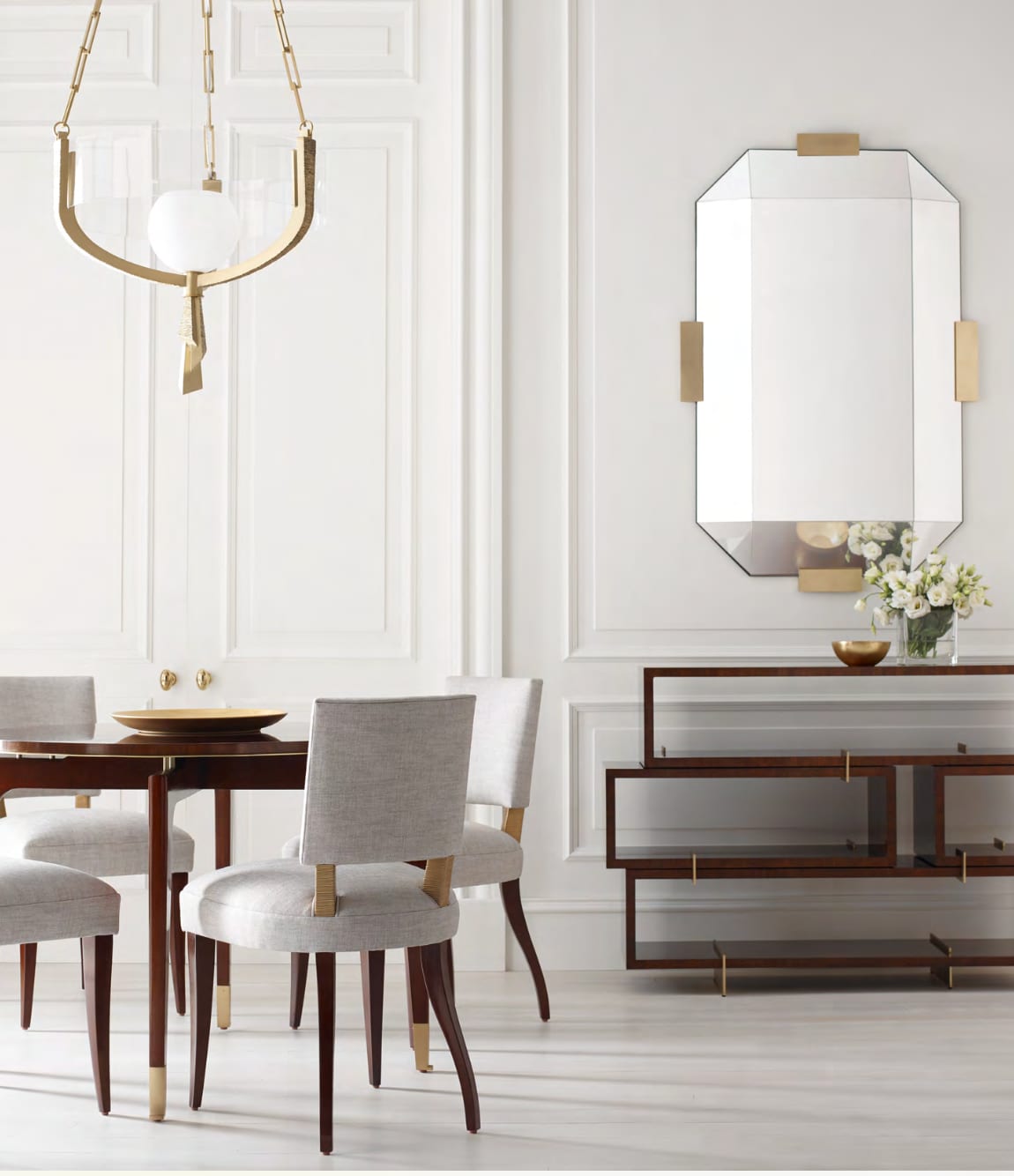
For something close to two decades, the most photographed interiors tended to share a particular quality of resolution. Walls and floors met without seam; furniture sat in pale, even tones; objects, where they appeared at all, were edited down to a single curated cluster. The look was easy to admire and easier to forget. It read as an argument for completeness — the room as a finished proposition — and it left almost nothing for the eye to do.
The interiors now beginning to hold attention are working in the opposite direction. They feel composed rather than resolved. Surfaces carry small inconsistencies. A piece of bench-made walnut sits beside a contemporary linen sofa; an inherited mirror is hung above a recently commissioned console; a wool rug has worn in two places where the chairs are actually used. Nothing in the room insists on having been bought together, and the effect is not eclecticism so much as a quiet confidence that a house is not built in a single afternoon.
A house keeps a longer record than a room.
The collected interior depends on time in a way the resolved interior cannot. A finished room is an event; a collected room is a history. Almost everything in it carries a small story — provenance of a chair, a piece of marble found in a yard outside Carrara, a chest carried through three previous houses — and the room becomes a slow record of attention rather than a single act of taste.
This is not nostalgia and it is not, in any reactionary sense, anti-modern. Several of the designers most clearly working in this register specify almost as much new furniture as antique. What has changed is the willingness to let the two periods sit beside one another without trying to dissolve the difference. A nineteenth century tea table is allowed to be itself, in conversation with a contemporary upholstered chair that is also allowed to be itself. The composition holds because the proportions agree, not because the dates do.
A room edited into perfect agreement with itself tends, over time, to feel airless. A room held by proportion can keep absorbing objects for thirty years.
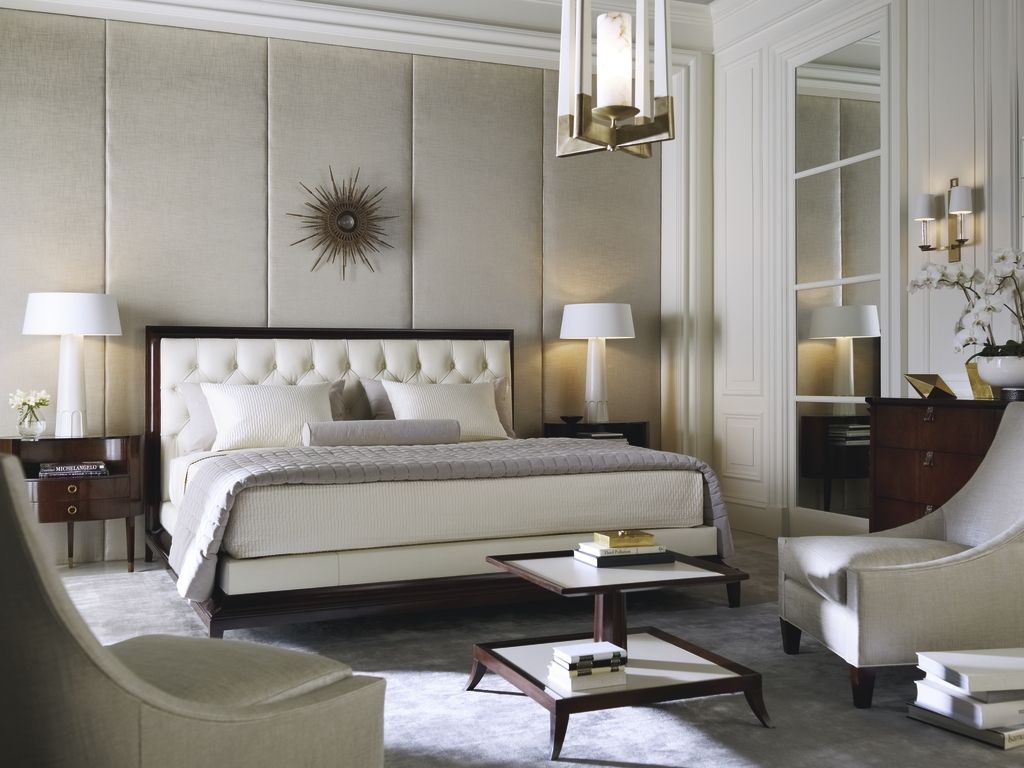
The argument for imperfection is, in the end, an argument for warmth.
What the over-resolved interior tends to remove is warmth. Not warmth in the colour-temperature sense — many collected rooms are cool in palette and quite austere in plan — but warmth as the accumulated evidence of human use. A polished bronze with a small shadow of tarnish around the base. A linen cushion creased where someone has been sitting. The faint paler line where the sun has moved across a hardwood floor for fifteen summers. These are not flaws in the photograph. They are the reason the photograph reads as a house at all.
Patina is, more than anything, a way of describing the difference between an object that exists and an object that has been used. The collected interior accepts both. It tends to specify materials that improve with handling — bench-made hardwood, hand-finished plaster, leather, woven fibre, honed stone — and it leaves them alone long enough to develop the small, irreplaceable quality of having been there for a while.
The psychology of a room that does not insist.
There is a particular emotional register to rooms that have been allowed to settle. They tend not to demand a response. The eye is not pulled to a single statement object; the room does not ask to be photographed from one specific angle; nothing in it is performing. Instead the room offers something closer to attention — places to sit, surfaces to put a glass down on, a lamp positioned for reading rather than for image.
Designers working in this register often describe the goal in almost domestic terms. A study should feel like it has been someone's study. A drawing room should look as though guests have left it that morning. The aspiration is not perfection but continuity — the sense that the room was here before, and will go on being here, with small additions and removals, for a long time afterwards.
This is also why the collected interior tends to age well. A room assembled in agreement with a single moment of taste dates the moment it leaves the moment. A room held by proportion, weight and material can absorb a new chair, a different rug, a piece brought back from somewhere, almost indefinitely. It was never asking to be seen as a single decision.
Heritage, used quietly.
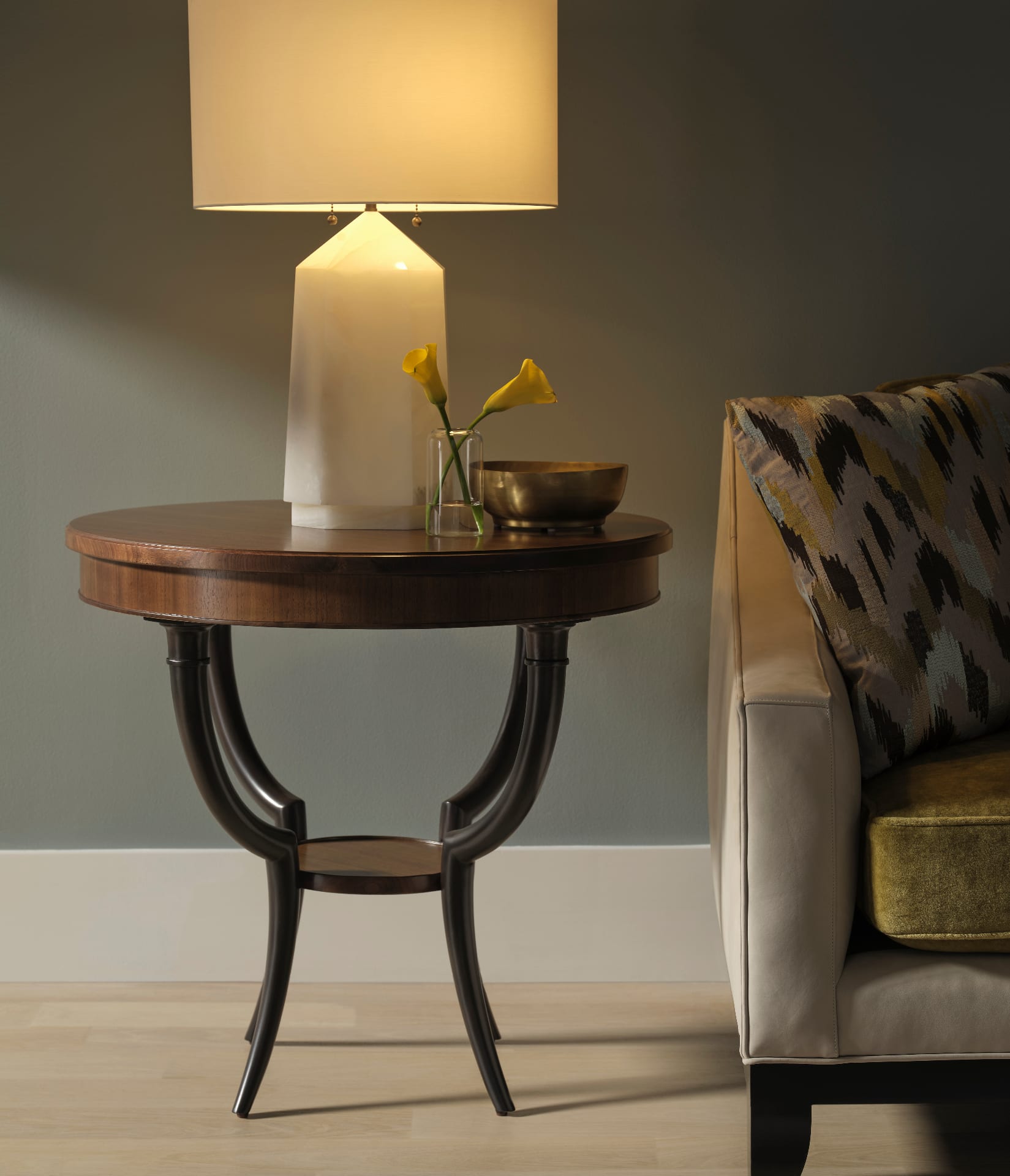
What is interesting about the present moment is that the renewed interest in heritage furniture, antiques and bench-made pieces rarely tips into pastiche. The collected interior is not a period-room recreation. It uses heritage in a more discriminating way — one carved sideboard, one inherited mirror, one nineteenth century chair — set against a contemporary frame.
The houses that have always made furniture in this manner — the long-running American workshops where a single dining chair is cut, joined and finished by hand over the course of several days, rather than assembled from parts in an afternoon — are quietly benefitting from the change. Their pieces have always been designed to be lived with for several generations rather than replaced inside a decade. They were built, in other words, for the collected interior even when the collected interior was out of fashion.
The same is true of the woven and naturally finished surfaces beginning to return to walls and windows. Grasscloth, abaca and hand-loomed linen are slow materials. They behave slightly differently under morning and evening light; they soften over time; they are unmistakably handmade. They suit a house that is intended to be used.
Against sterile perfection.
The retreat from the over-resolved interior is, in part, a correction. A decade of social-media-led design encouraged the single-image room — flat-lit, evenly toned, ready for the rectangle of a phone. The houses that have come out of that period most intact are the ones that were never being designed for it.
What is replacing the look is harder to summarise because it is less a style than a method. It involves restraint at the level of palette and indulgence at the level of material. It involves fewer pieces, but better made, and a willingness to leave space for things that have not yet been bought. It involves trusting that a room can be left, for a year or two, as not-quite-finished without that being a failure of nerve.
The phrase that recurs in studio conversations is somewhere between ‘quiet’ and ‘collected’. Designers tend to mean something specific by it: not a particular colour, not a particular period, but a method of assembly that favours weight, proportion and material over scheme.
The most compelling rooms now are the ones that have not finished being made. They tend to be the ones that never will.