.png)
Rooms that
age well.
Why the most enduring interiors are designed to deepen rather than impress immediately — and what that asks of the materials, the proportion and the patience that go into them.
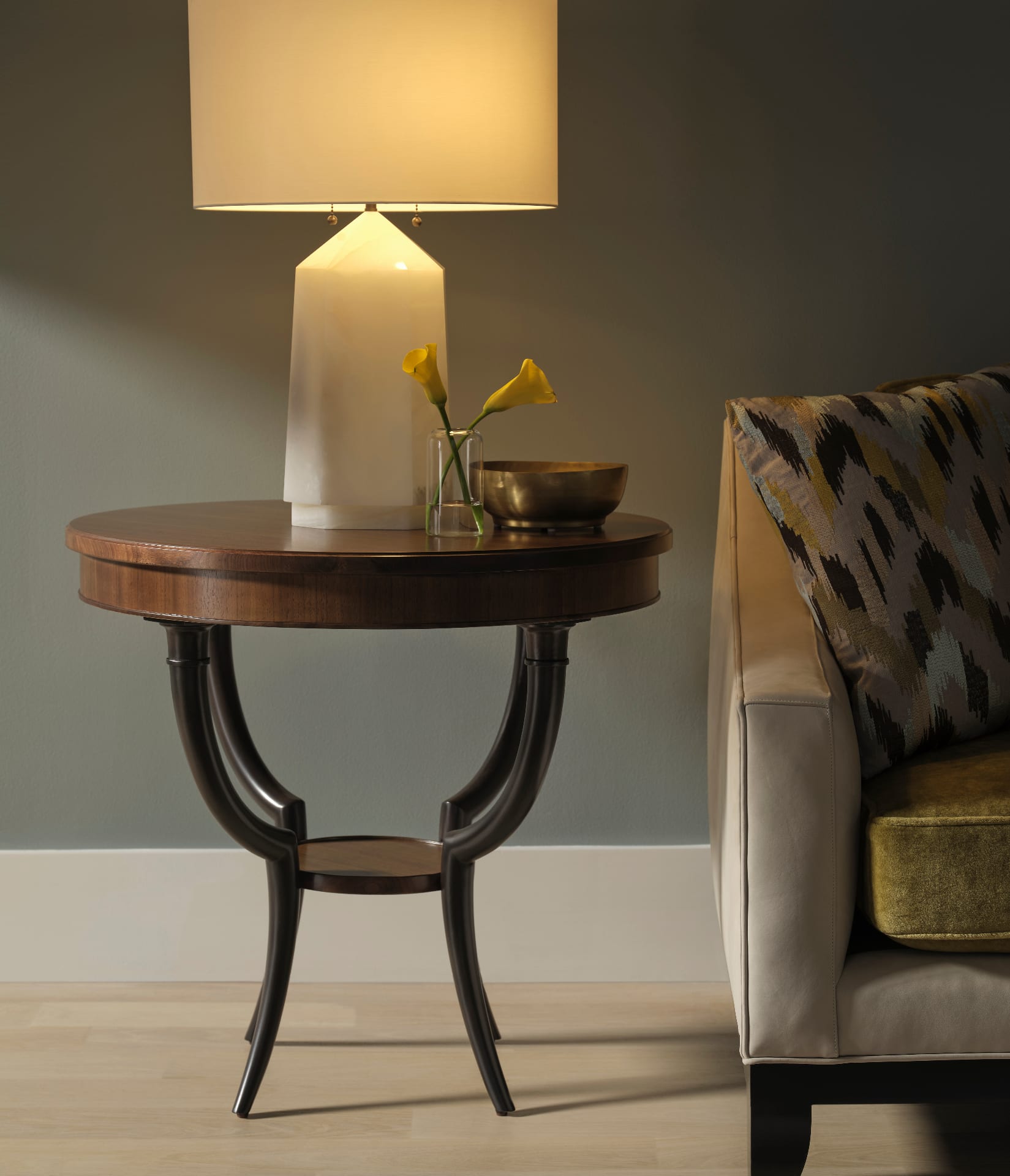
There is a particular kind of room that does not photograph especially well on first acquaintance and that one nevertheless finds oneself returning to, over the course of an afternoon, two or three times. The light in it is not dramatic. The colour is not strong. Nothing in it is announcing itself. And yet the room is, in a way that is difficult to describe at the threshold, more interesting than rooms with a great deal more obvious going on. The reason, almost always, is that the room has been allowed to age.
The interiors that hold up over decades are designed for a quite different objective than the interiors that hold up over a season of editorial. The first kind is built to be lived in; the second is built to be photographed. They use, on the surface, much of the same vocabulary — natural fibre, hardwood, honed stone, hand-finished plaster — but they are using that vocabulary in service of opposite ends. The room designed to age accepts that the materials will record the years. The room designed to photograph hopes, quietly, that they will not.
Patina is the proof of the room.
Patina is one of those words that has been overused in contemporary writing about interiors and is, even so, the right word. It describes the small, irreversible changes a material undergoes through use — the subtle softening of a waxed walnut where a hand passes over it many thousands of times, the gentle paling of a linen along the arm of a chair, the way the pile of a wool rug compresses in the path one actually takes through the room — and there is no way to install it. Patina is what is left when a room has been inhabited honestly for a number of years.
The materials that take patina well are, by and large, the materials the slower workshops have always specified. Bench-made hardwood, hand-rubbed rather than spray finished. Vegetable-tanned leather, allowed to darken at the edges. Hand-loomed natural fibre, which softens at the points where it is touched most. Honed stone, which catches a fine, irreversible patina along its working edge. None of these materials begins at its best moment. Each of them improves with handling, in a way that the finished product on the showroom floor, however perfectly made, has not yet had the chance to do.
A room that records its years is also a room that earns the right to be old.
Designed for living, not for photographing.
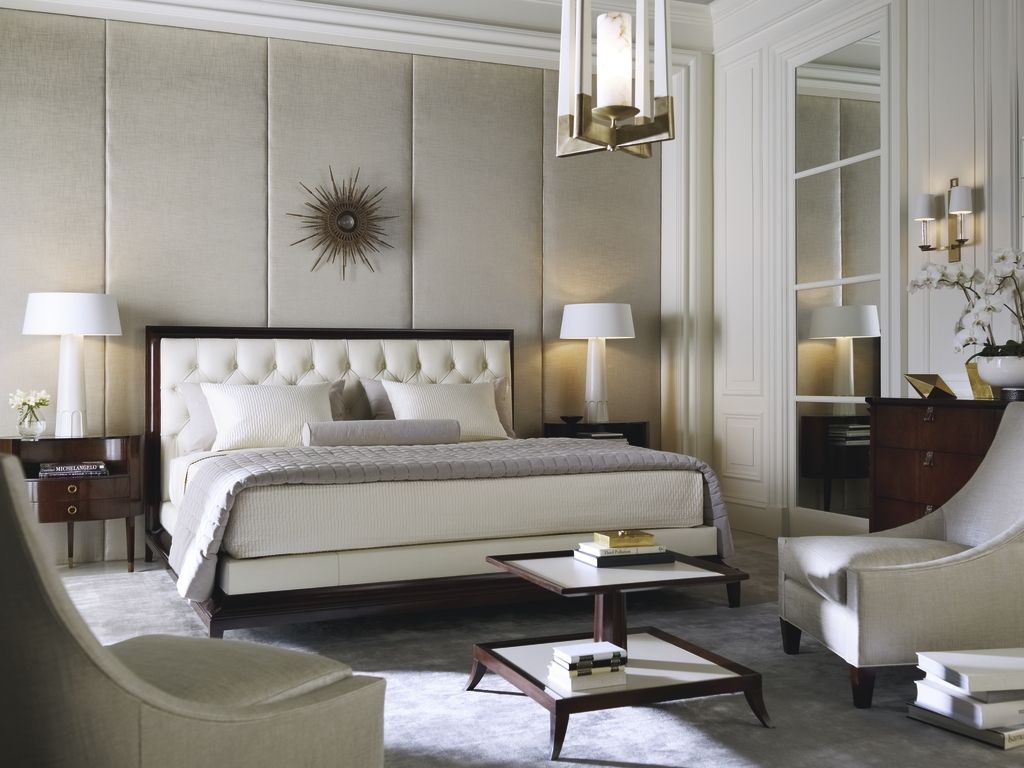
The decision to design for the long horizon is, in practice, a decision to leave certain things alone. The lamp does not have to be moved into the perfect position. The chair does not have to be reupholstered the moment the linen begins to soften. The floor does not have to be sanded back the year the path of most-used route begins to show. Each of these small acts of restraint is a quiet vote in favour of the room becoming, over time, a record of the people who have actually used it.
This requires a particular client and a particular designer. The client has to be the kind of person who understands that a faint mark on a hardwood is not a fault but a piece of the house’s biography. The designer has to be willing to specify materials that will look, at handover, slightly less pristine than their painted-and-lacquered counterparts and to trust that, three years on, the room will be unmistakably better than the painted-and-lacquered alternative would have been. Both are, in the current moment, becoming easier to find.
The inherited feeling, manufactured slowly.
One of the more interesting things about the contemporary collected interior is that it almost always reads as inherited, even when most of its contents are recent purchases. This is not, on inspection, an act of pretence. The materials and the methods are inherited. The bench-made hardwood case piece is made in much the same way as it would have been a hundred years ago. The hand-loomed natural-fibre wall covering is woven on equipment that has not significantly changed in fifty. The hand-finished plaster is applied by craftsmen trained in techniques that long predate paint as a serious wall finish. The room inherits a method, even when the objects in it are new.
What follows from this is a kind of room that does not date. The dating of an interior is, almost always, a function of which season’s look it was bought for. A room composed of materials that have been made the same way for a hundred years cannot really go out of fashion in the ordinary sense. It can, of course, fall out of taste — every kind of room eventually does — but it tends to fall out gracefully and to come back in much the same way. The materials carry the room across whichever cycle is currently passing.
The emotional life of a settled room.
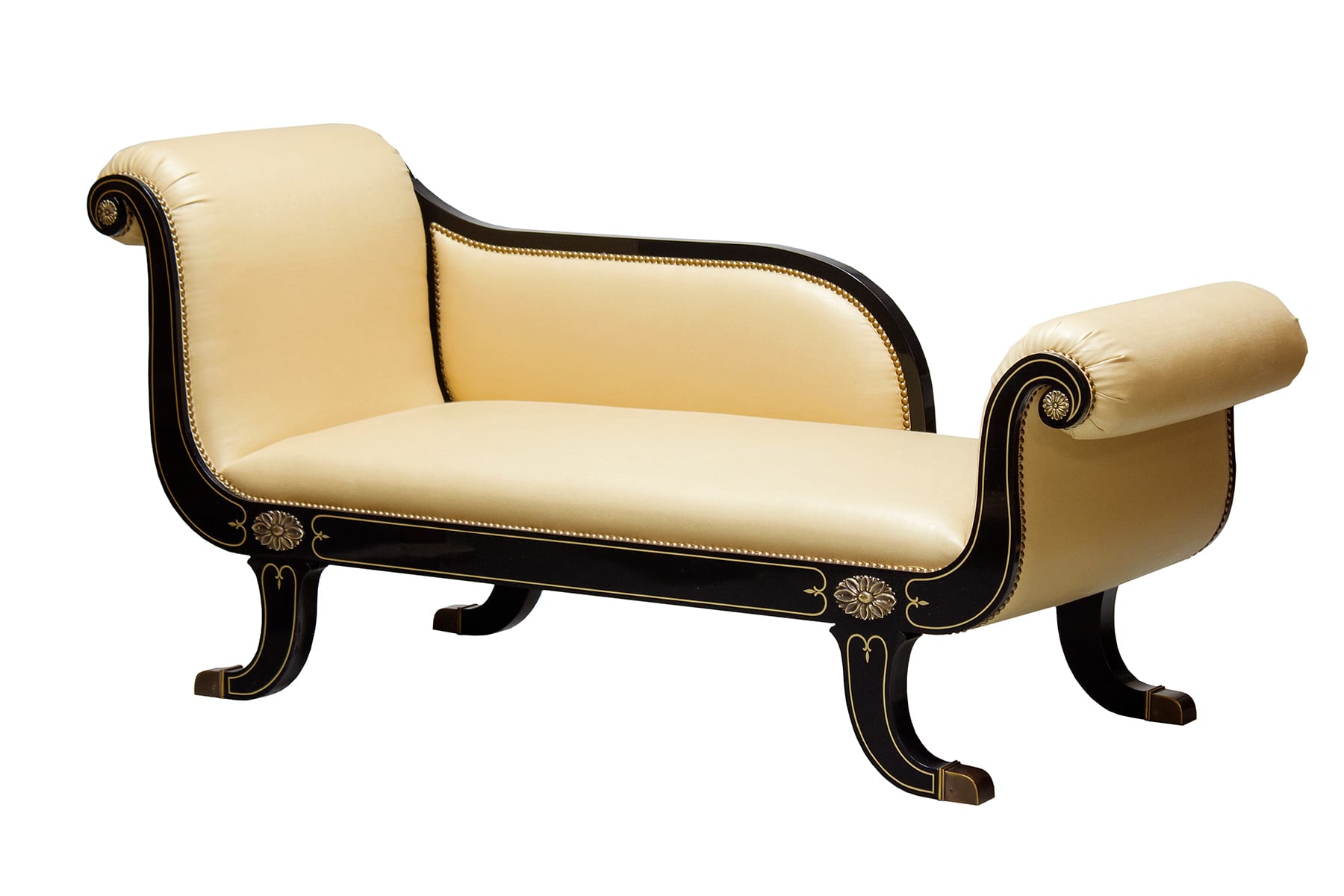
A room that has aged well does something to the people who come into it that is more or less impossible to engineer quickly. It tends, in a quite literal sense, to slow them down. The eye is not pulled across the room by a single object; the surfaces invite a closer look but do not insist on one; the proportions feel inevitable rather than composed. The body responds, almost involuntarily, by settling. People stay longer in such a room than they had intended to.
The emotional content of an aged room is a kind of permanence — not the permanence of a museum, which is fixed and exclusionary, but a domestic permanence, which is simply the absence of recent disturbance. Nothing in the room has been re-arranged this week. Nothing in it is asking to be re-arranged. The composition is allowed to continue. There is, for the people sitting in it, a small but real psychological release in inhabiting a place that is not, at every moment, in the process of being improved.
Longevity as the new luxury.
What is shifting in the upper end of the market, more quietly than the trade press tends to register, is the horizon over which an interior is being asked to perform. The previous cycle was unusually short. A house was decorated, photographed, lived in for three or four years and then comprehensively redone. The cost of this rhythm, beyond the obvious, was that interiors had to be designed for the immediate moment. They were rarely given the materials, the proportion or the patience to age into anything else.
The current rhythm is markedly slower. Clients commissioning serious work increasingly speak about twenty-year horizons; bench-made hardwood furniture is being chosen with the explicit intention that the next generation of the family will inherit it; window coverings are specified in fibres known to last several decades. The interior is, in practical terms, becoming a long object again. And the long object behaves, in time, differently from the short one. It accumulates value rather than losing it. It improves rather than dating. It becomes, almost by definition, the more luxurious proposition.
Rooms that age well are not, in any obvious sense, the most striking rooms one walks into. They are the rooms one finds, three years later, that one has been thinking about more than the striking ones. They are the rooms that have done the slow work of becoming, by a kind of domestic accretion, irreplaceable.
The room that ages well is, in the end, the room one stops wanting to change. Everything else can be redone next year.