.png)
Calculating
hide size.

Leather is ordered by area rather than by the metre. Its natural outline, markings and the scale of each cut all influence how much a project needs.
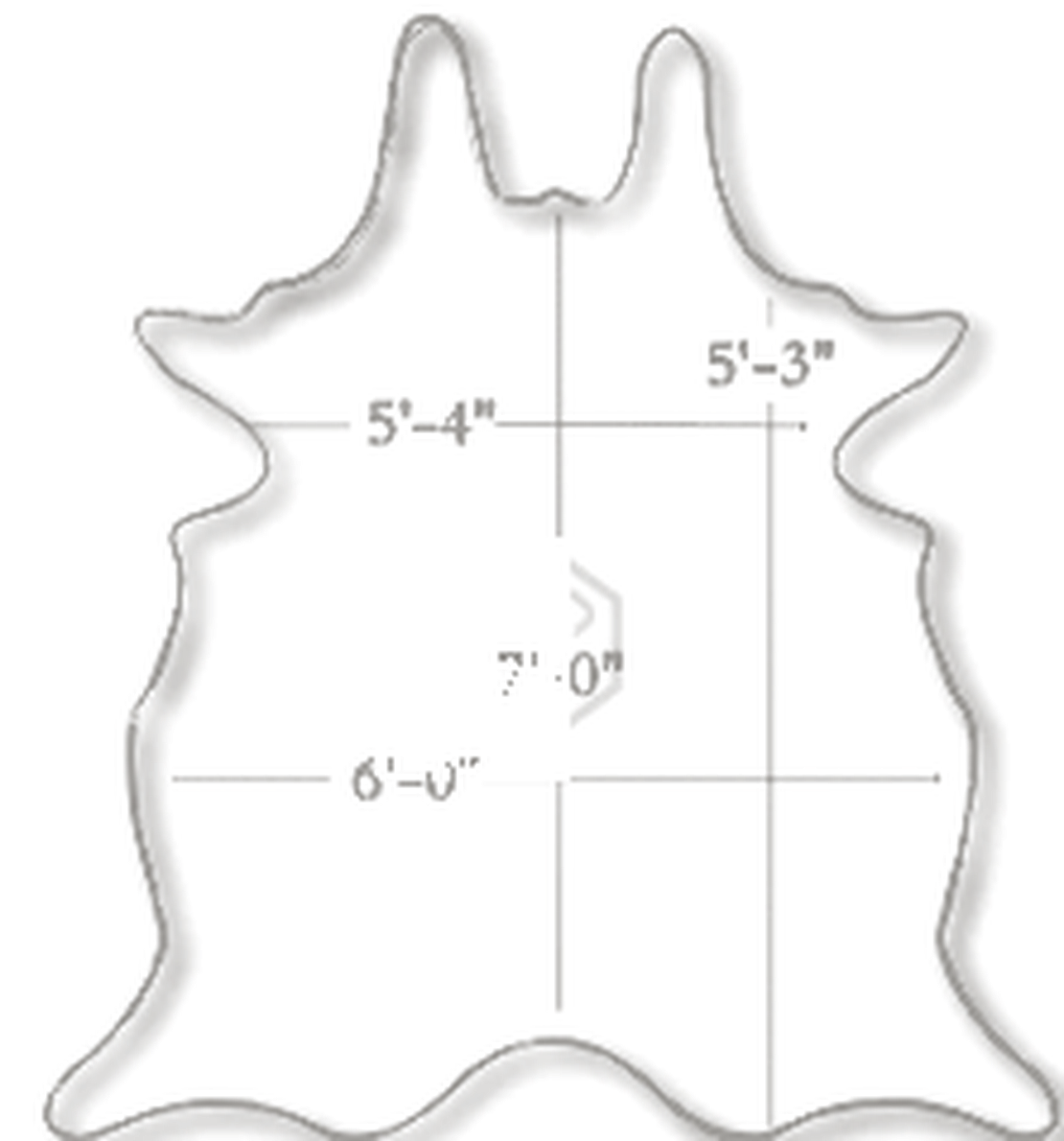
Full Hides
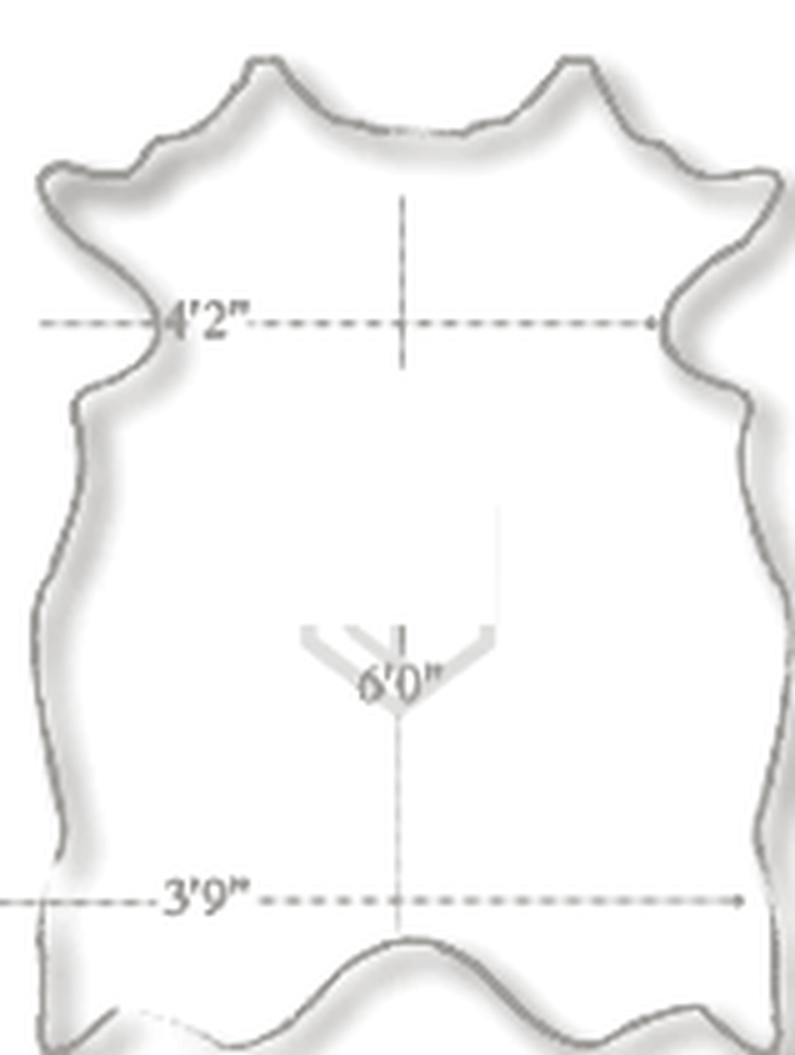
Average size · 48–55 sq. ft.
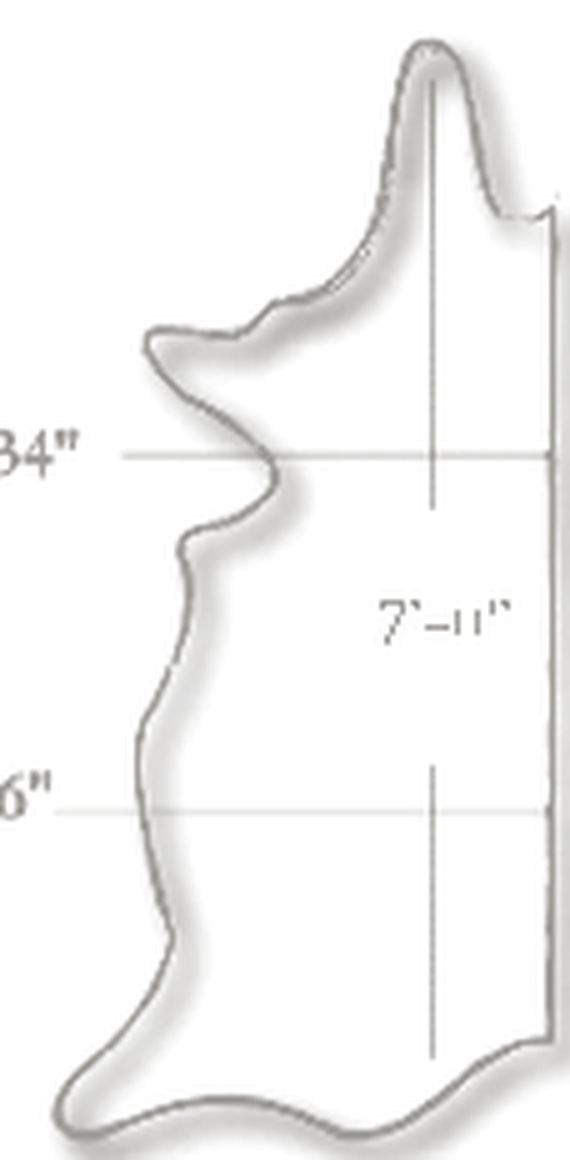
Half Hides
Average size · 20–23 sq. ft.
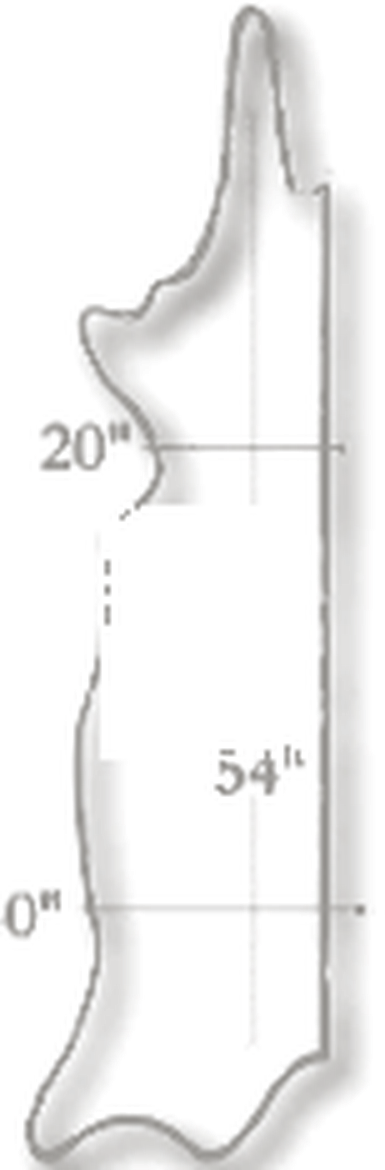
Petite Half Hides
Average size · 16 sq. ft.
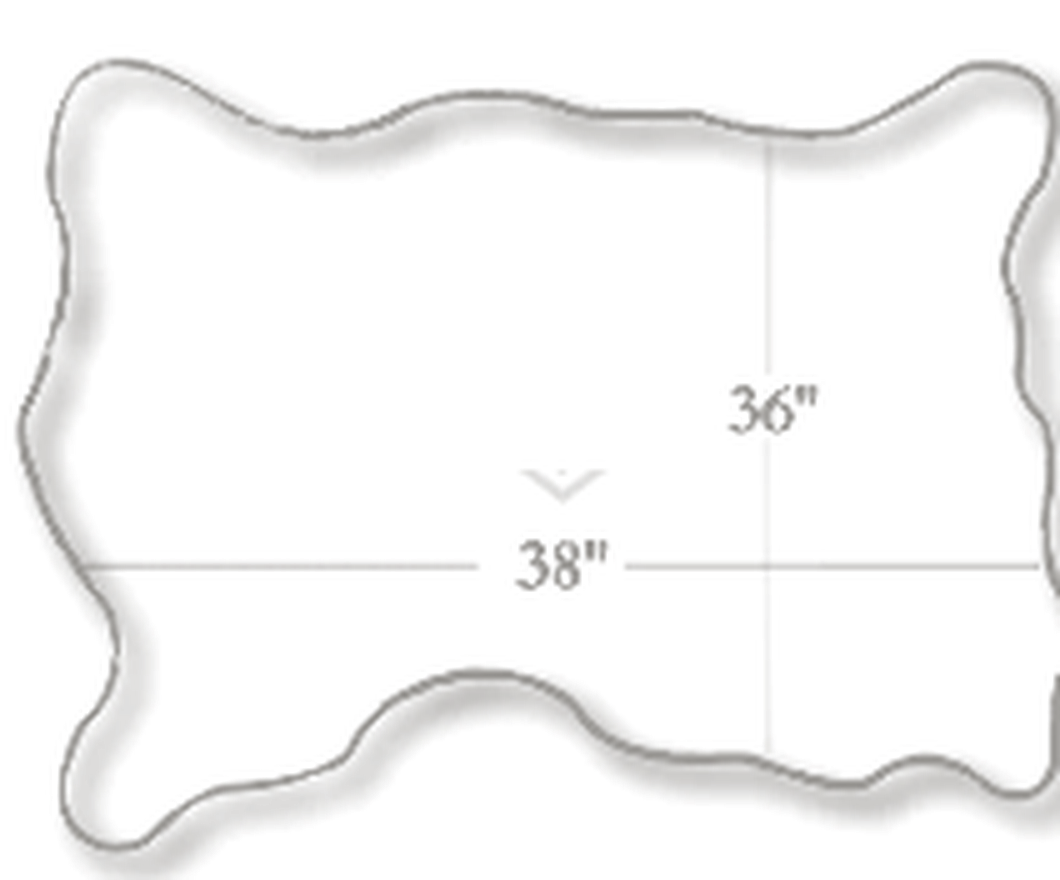
Shoulder
Average size · 16 sq. ft.
Centre Cut
Average size · 20–30 sq. ft.
Suedes
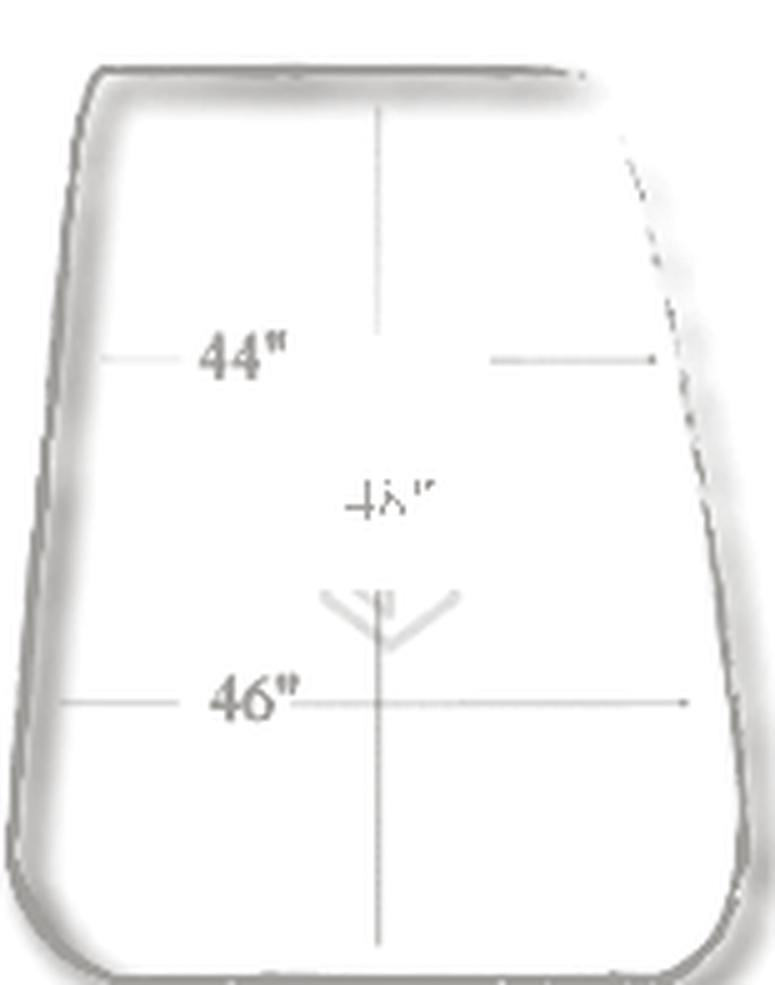
Average size · 18–20 sq. ft.
The working conversion
As an initial estimate, allow 18 square feet of leather for every one linear yard of 54-inch-wide fabric. This is a planning guide rather than a final cutting calculation.
Typical hide sizes
- Full hides: approximately 48–55 square feet.
- Half hides: approximately 20–23 square feet.
- Centre cuts: approximately 20–30 square feet.
- Petite half hides or shoulders: approximately 16 square feet.
- Suedes: approximately 18–20 square feet.
Allow for natural waste
A hide is not a rectangle. Its irregular perimeter, natural markings and variations in usable area mean the total ordered quantity must include a cutting allowance.
Large uninterrupted panels generally require a greater allowance than smaller repeatable pieces because every cut must fit within a suitable area of the hide.
What to send us
- The number and dimensions of every finished cut piece.
- Whether pieces may be joined or must be cut without seams.
- Any preference regarding natural markings and grain variation.
- The selected leather and colour, where known.
Hide dimensions are approximate and vary by collection. For half hides, pure anilines or unusually large cut sizes, ask the Valley & Laurel studio to review the cutting plan before ordering.