.png)
Leather
categories.
The category describes how much of the natural surface remains visible and how much protection has been added. It shapes the hand, appearance and performance of the leather.
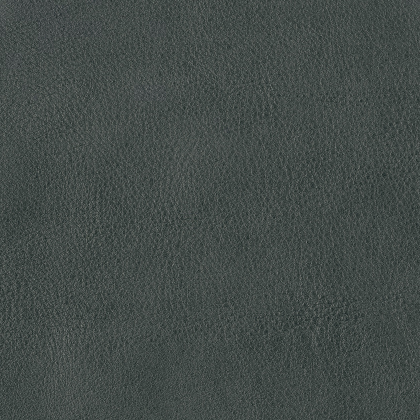
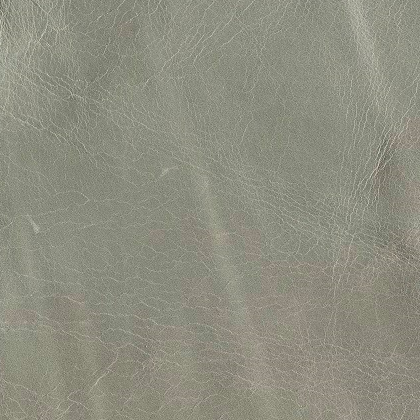
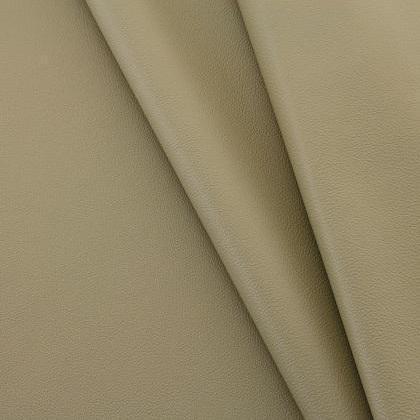
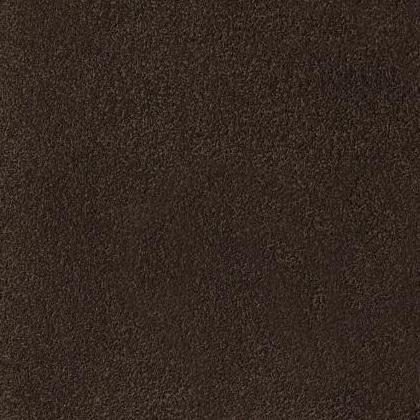
Pure aniline
Full-grain leather coloured with transparent dyes and without an opaque surface pigment. Natural scars, wrinkles and tonal movement remain visible.
Pure aniline offers a particularly soft hand and develops a rich patina, but it is more sensitive to light, moisture and marking.
Semi-aniline
Aniline-dyed leather finished with a light protective layer or a small amount of pigment. It retains much of the natural character while offering more colour consistency and resistance in use.
It is often a useful balance where a natural hand and practical performance are equally important.
Protected
Leather with pigment and a protective water-based topcoat applied to the surface. The finish gives greater resistance to wear, fading and everyday soiling.
Protected leather is particularly relevant for high-traffic, hospitality and other demanding applications.
Nubuck and suede
Nubuck is top-grain leather whose surface is lightly buffed to create a fine, velvet-like nap. It combines depth of colour with a distinctive tactile finish.
Suede is made from the lower split of the hide. Its soft nap is expressive, though generally less durable than top-grain leather.
There is no single ‘best’ category. The right leather depends on the intended application, desired patina, care expectations and the level of consistency required across the project.